
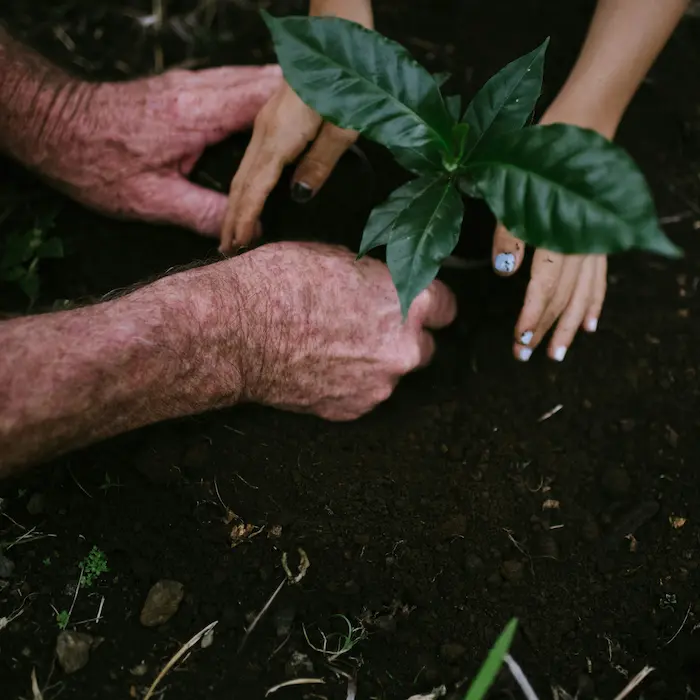
New Tree Planting
Selecting, sourcing and planting trees for shade, screening, feature or replacement after a removal.
Tree planting and transplanting in Launceston works best when it starts with the question of space. How tall and wide will the tree be in twenty years, how close is the house, and what sits underground? Answering that first avoids the clearance pruning and root damage that come from planting the wrong species too close.
We help choose suitable species, prepare the planting site, plant correctly and set up aftercare. We also relocate established trees where the tree, the soil and the access make a move realistic.
Call +61 483 709 394 or tell us about the space and what you want the tree to do: shade, screening, colour or fruit.

Selecting, sourcing and planting trees for shade, screening, feature or replacement after a removal.
Moving a tree that is in the way of a build or a landscape change, where size and species give it a fair chance of survival.
Root pruning in advance may be recommended for larger trees.
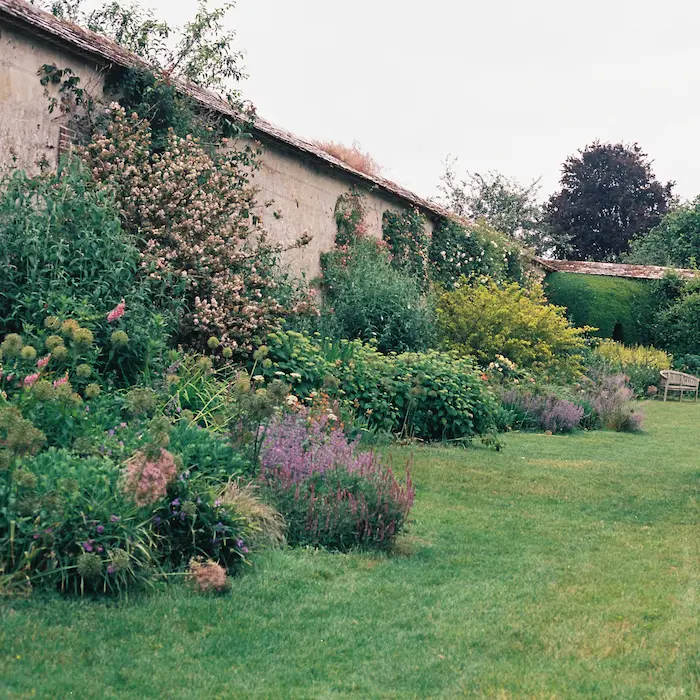
Rows of suitable trees for privacy or windbreak, spaced so they do not compete or crowd fences.
Small and inexpensive. Establishes quickly but takes years to give shade or screening.
Larger trees that give an immediate presence. Need more care in the first summers while roots spread.
Keeping a tree you already have. Survival depends on species, size, root ball and aftercare.
Choosing species for Launceston means allowing for frost, dry summers and the space available. These broad groups compare how they behave.
| Option | Characteristics | Typical applications | Considerations |
|---|---|---|---|
| Deciduous exotics | Summer shade, winter sun. | North-facing gardens and lawns. | Leaf drop in autumn needs gutter and drain planning. |
| Native eucalypts | Fast-growing, evergreen. | Larger blocks with room for mature size. | Many grow far larger than the space; check mature height first. |
| Small natives and wattles | Compact, often flowering. | Smaller yards and mixed beds. | Some wattles are short-lived and need replacement over time. |
| Fruit trees | Productive, smaller canopy. | Home gardens with sun. | Need formative and ongoing pruning for good structure and crops. |
Most tree problems we fix were set up on the day of planting. A few checks prevent them.
Plant far enough from walls and footings to allow for the mature canopy and roots.
Keep clear of sewer, stormwater and water lines, which roots can find and enter.
Choose low-growing species under power lines to avoid future clearance work.
Frost hollows and shaded corners suit some species far better than others.
We look at space, soil, drainage, services and sun to shortlist suitable trees.
You choose from the shortlist based on look, size and purpose.
The hole is dug wide rather than deep and the soil loosened.
The tree is set at the right depth with the root flare visible, backfilled and watered in.
We set out watering, mulching and staking checks for the first seasons.
Small details at planting decide whether a tree thrives or struggles for years.
Burying the trunk base invites rot. The root flare should sit at or just above soil level.
Circling roots in pots are teased out or cut so they grow outward.
A ring of mulch, kept off the trunk, holds moisture and reduces mower damage.
Stakes are loose and temporary, removed once the tree can stand alone.

A smaller-growing species is chosen and planted away from the old stump.
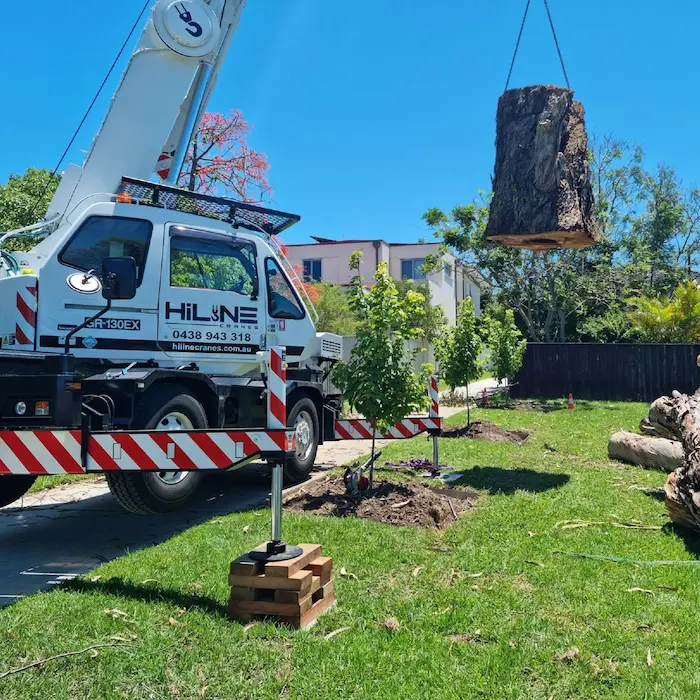
A young tree is root-pruned, lifted and moved to a prepared site on the same block.

Narrow-growing trees are spaced along a boundary for screening.
We plant and relocate trees throughout the suburbs below. Low-lying areas with heavier soils need different species and drainage choices to hillside gardens with shallow soil over rock.
Remove the old tree before planting its replacement.
View serviceFormative pruning in the first years sets up a strong structure.
View serviceGrind the old stump before replanting nearby.
View serviceReplace trees lost in a storm with sturdier species.
View serviceA report for planting conditions on a development.
View serviceClear weeds and overgrowth before a new planting scheme.
View serviceSupport young trees in exposed, windy positions.
View serviceLandscape tree planting for business frontages.
View servicePlanting cost depends on the size of the trees, the number planted, soil preparation and any staking or protection. Transplanting is priced separately because it involves root preparation, lifting and moving.
| Planting a few small trees | Lower range; quick preparation and planting. |
|---|---|
| Advanced trees | Mid range; larger holes and more handling. |
| Transplanting an established tree | Upper range; root pruning, lifting and aftercare. |
| Screening rows | Priced per tree with set-out included. |
We do not set prices for plants until species and size are agreed.
Request a Personalised QuoteAutumn and early winter are generally good, because soil is still workable and winter rain helps roots establish before summer. Planting into frozen or waterlogged ground should be avoided. Container trees can be planted at other times with more watering.
No. Success depends on species, size, health and root system. Young trees move far more successfully than old ones. Some species resent root disturbance. We assess the tree honestly before recommending a move.
It depends on the mature size of the species. A large shade tree needs much more distance than a small ornamental. As a starting point, check the expected mature canopy width and plant well beyond half of it from the house.
Species that tolerate frost and dry summer spells do well. Many deciduous exotics and a range of Tasmanian natives suit local gardens. The right choice depends on your space, soil and purpose, so we shortlist trees for your site.
Water deeply and regularly through the first summers, keep a mulch ring around it without touching the trunk, and check stakes and ties. Remove stakes once the tree is stable.
We can source trees once species and size are agreed, or plant trees you have already bought. If you are buying your own, choose healthy stock with a single straight leader and roots that are not circling the pot.
Tell us about the space, what you want the tree to do and any trees you would like to move.
Call +61 483 709 394 or use the quote form to book a site check.
Many of the trees we remove were not bad trees; they were good trees planted in the wrong spot. A eucalypt planted a metre from the house, a conifer squeezed into a narrow side path, a large shade tree under power lines. Each was fine for a few years and became a problem as it grew.
Thinking about the mature size at planting is the cheapest tree care there is. It costs nothing extra and saves years of pruning, root problems and eventual removal.
In Launceston, frost, summer dry spells and soil type all narrow the list of suitable species. We will not recommend a tree simply because it is popular if it will outgrow the space or struggle in the conditions.