
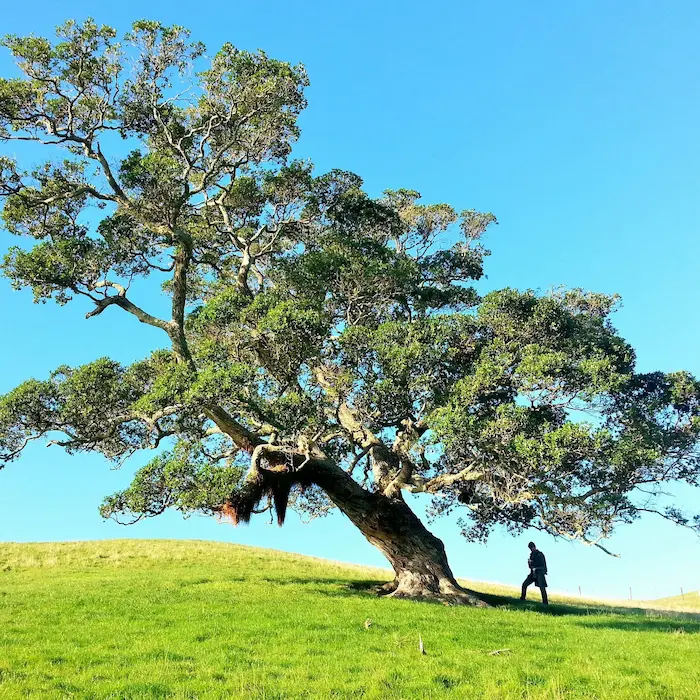
Tree Risk Assessment
Evaluates the likelihood of a tree or part of it failing, what it would hit, and the consequences. Recommends actions to bring risk to an acceptable level.
In Launceston, a written arborist report or tree risk assessment is used when someone needs more than a verbal opinion: a planning application, a building project near a tree, a disagreement with a neighbour, an insurer's question or a property manager's duty-of-care file.
A good report is specific. It identifies each tree, describes its health and structure, assesses the likelihood and consequence of failure, and recommends proportionate action. It also states what could not be checked.
Call +61 483 709 394 or send us the reason you need a report and the number of trees involved.

Evaluates the likelihood of a tree or part of it failing, what it would hit, and the consequences. Recommends actions to bring risk to an acceptable level.
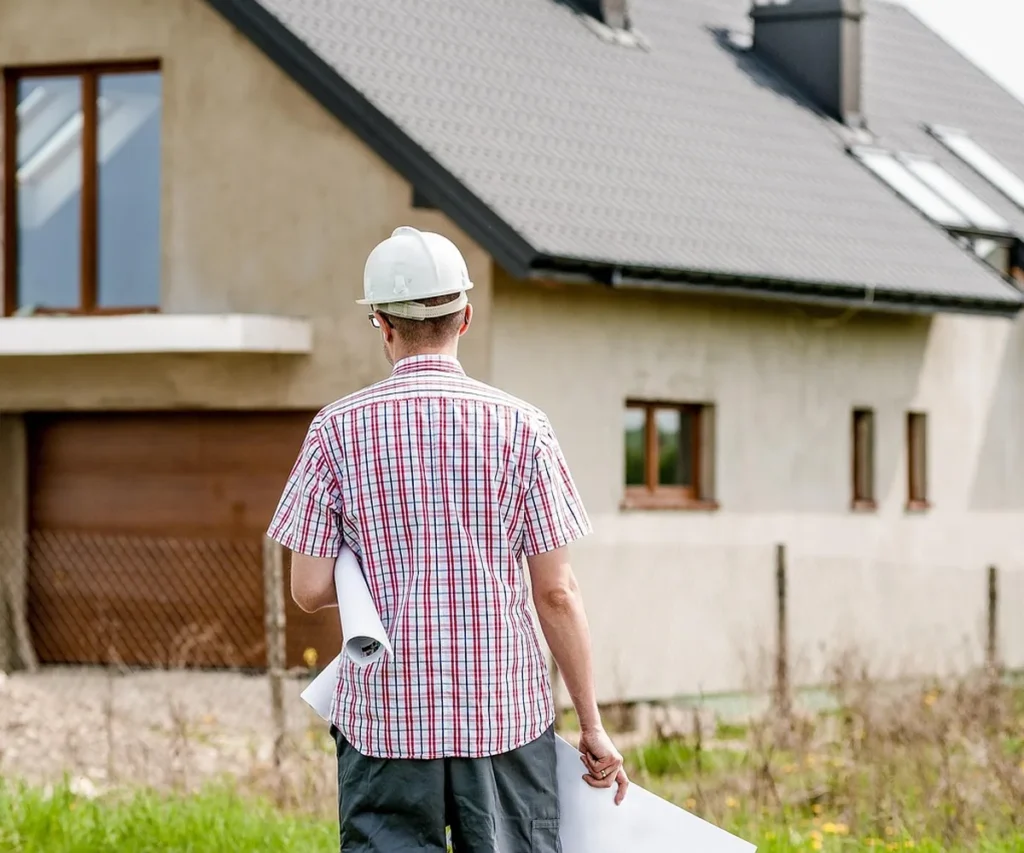
Assesses how proposed building works affect trees on or near the site, and how to protect retained trees during construction.
Typically uses tree protection zones and structural root zones as described in AS 4970.

Looks at vigour, pests, disease and decline, with advice on management or replacement.
A record of every tree on a larger site with condition, risk rating and work priorities, useful for strata and commercial grounds.
A quick walk-around to identify obvious defects across many trees. Suits large sites as a first pass.
A detailed ground-level inspection of each tree, including the root zone, trunk and visible canopy, using simple tools.
Where a basic inspection raises questions it cannot answer, such as internal decay or upper-canopy defects, aerial inspection or decay-detection tools may be recommended.
We explain why before suggesting the extra cost.
Each section of a report has a job. This is what you should expect to see.
| Option | Characteristics | Typical applications | Considerations |
|---|---|---|---|
| Tree identification | Species, location, size and a reference number. | Every tree in scope. | Mapped or photographed so there is no confusion on site. |
| Condition findings | Health, structure and defects observed. | Risk, health and development reports. | Distinguishes what was seen from what is assumed. |
| Risk rating | Likelihood and consequence of failure. | Risk assessments and inventories. | Method is named so another assessor can follow it. |
| Recommendations | Prune, monitor, protect, support or remove. | All reports. | Prioritised with timeframes and the reason for each one. |
The purpose of the report decides its scope. Getting that clear first avoids paying for detail nobody needs.
Council planners, builders, insurers and neighbours look for different things. Tell us who the audience is.
One tree near a house is a short report. A whole site needs an inventory approach.
If building is involved, we need the plans to assess root zones and canopy clearance.
Planning and insurance processes often run to dates. Let us know yours when you enquire.
We confirm the purpose, audience, trees involved and any plans or documents we need.
Each tree is inspected and photographed, with measurements recorded.
Findings are assessed against the purpose, and options compared.
We write up the findings, risk ratings and recommendations in plain language.
We answer questions about the report and can quote any recommended work.
Reports rely on recognised methods so the reasoning can be checked by others.
A structured look at the tree for symptoms of defects such as cracks, cavities, bulges and fungal bodies.
Trunk diameter, height and canopy spread are recorded and used to calculate protection zones.
Recognised tree risk methods are used to rate likelihood and consequence consistently.
Tree locations and protection zones can be marked on supplied plans.
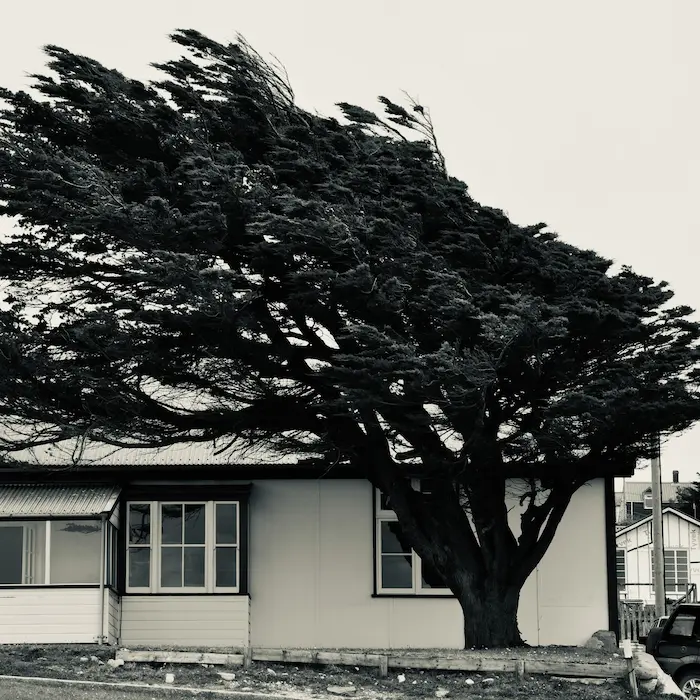
A homeowner needs to show how the tree will be protected during construction.

A property manager wants a record of tree condition and recommended works.

Both neighbours want an independent view on whether the tree is safe.
We inspect trees for reports throughout the suburbs below. Sites with slopes, nearby waterways or tight building envelopes often need more detail on root zones and access.
Rising streets with trees planted generations ago, written risk assessments.
View detailsEstablished backyards just south of the centre, written risk assessments.
View detailsWhere removal is recommended, we can quote and carry it out.
View serviceMany reports recommend targeted pruning rather than removal.
View serviceGrinding once an approved removal is complete.
View serviceUrgent works when an assessment finds immediate risk.
View serviceClearing that follows the report's retention plan.
View serviceReplacement planting required by a report or approval.
View serviceSupporting a weak fork may be recommended for a tree worth keeping.
View serviceAn inventory can become the work list for an ongoing maintenance program.
View serviceReport fees depend on the number of trees, the level of assessment and how much writing and mapping is involved. A short letter about one tree is very different from a development report with protection plans.
| Single tree, brief written advice | Lower range; one inspection and a short document. |
|---|---|
| Risk assessment for several trees | Mid range; each tree assessed and rated. |
| Development impact report | Upper range; plans reviewed and protection zones calculated. |
| Advanced assessment tools | Priced separately if required. |
We confirm the scope and fee before inspecting.
Request a Personalised QuoteCommon reasons include a planning application involving trees, building near a tree you want to keep, an insurer's request, a dispute with a neighbour or a property manager's need to show trees have been checked. If someone has asked you for a report, ask them what it needs to cover and pass that on to us.
Council decides what it accepts. We write reports to recognised methods and standards, state our reasoning and attach photos, which is what assessing officers look for. If council has a specific template or set of questions, send it to us before we inspect.
A tree protection zone is an area around a tree where works are restricted to protect roots and canopy. AS 4970 describes how it is calculated from trunk diameter. A structural root zone, closer to the trunk, protects the roots that hold the tree up.
No. Most assessments recommend pruning, monitoring or no action. Removal is recommended only when risk cannot reasonably be reduced in other ways. The goal is a proportionate response.
Turnaround depends on the number of trees and the type of report. We give you a timeframe when we agree the scope, and tell you early if anything might delay it.
Tell us why you need the report, who will read it and how many trees are involved. Attach plans if building work is planned.
Call +61 483 709 394 or use the quote form and we will confirm the scope and fee.
A useful report answers the question it was commissioned for. If the question is whether a tree can stay during a build, the report should say how, with protection measures. If the question is whether a tree is dangerous, it should rate the risk and say what reduces it.
It should also be honest about limits. A ground-level inspection cannot see inside a trunk or into the upper canopy. When those limits matter, we say so, rather than giving a confident answer the evidence does not support.
We will not write a report to a predetermined conclusion. Findings come from the tree, not from what the person paying hopes to hear.