

Building Site Clearing
Clearing the building envelope, driveway line and service trenches while protecting trees marked for retention.
Land clearing in Launceston ranges from cutting back an overgrown suburban yard to preparing a building envelope on a larger block. The common thread is planning: knowing which trees stay, which go, where machinery can travel and what happens to the material.
We clear trees, shrubs, weeds and regrowth, and can mulch material on site or remove it. Where vegetation clearing needs approval, we expect that to be in place before work starts.
Call +61 483 709 394 or send a site plan or photos showing the area to be cleared.

Clearing the building envelope, driveway line and service trenches while protecting trees marked for retention.
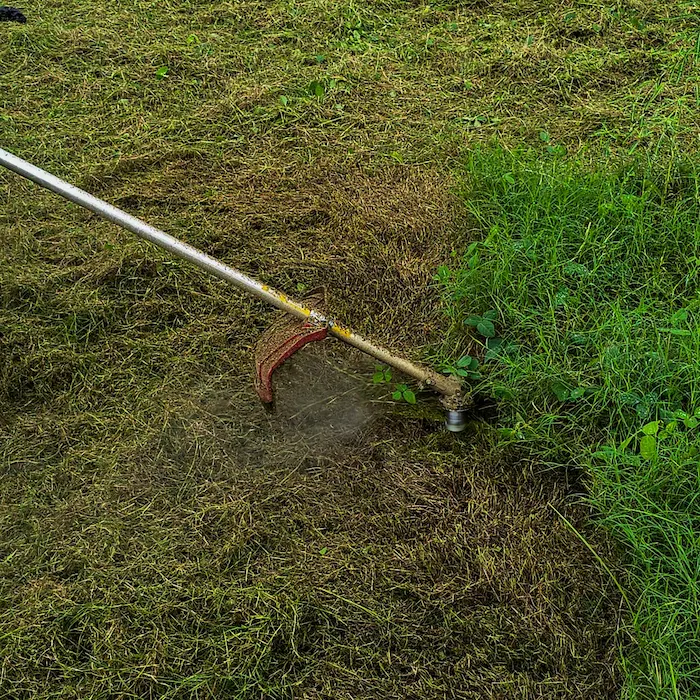
Removing years of overgrowth, self-sown trees and weedy shrubs from suburban yards and rental properties.

Reducing scrub, low branches and dense vegetation close to buildings to lower bushfire fuel loads.
Useful for homes on bushland edges.
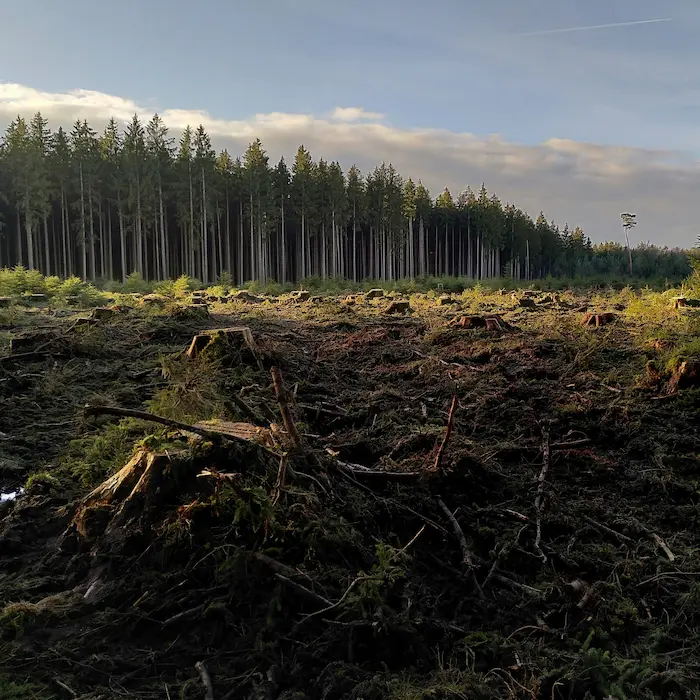
Removing weeds and unwanted species while keeping healthy trees and native vegetation you want to keep.
Everything in the marked area is removed, including stumps if requested. Suits building envelopes and areas being re-landscaped.
Only marked trees and vegetation are removed. Takes more care and time but keeps shade, screening and habitat.
Clearing done in phases to match a build or landscaping program, so exposed soil is not left bare for months.
Cleared vegetation is bulky. How it is handled changes both the cost and the finished site.
| Option | Characteristics | Typical applications | Considerations |
|---|---|---|---|
| Mulched and spread | Chipped and spread across the site. | Larger blocks and erosion-prone soils. | Thick mulch layers can delay grass establishment. |
| Mulched and stockpiled | Chipped and piled for later use. | Landscaping that will follow soon. | Piles need placing away from the build footprint. |
| Removed off site | Loaded and taken away. | Tight suburban blocks. | Disposal volume is a major part of the cost. |
| Logs retained | Trunks cut and stacked. | Owners wanting firewood or landscape timber. | Stacks should sit well clear of buildings. |
Clearing is hard to undo. A short planning stage avoids losing trees that should have stayed.
Clearing native vegetation can require approval. Confirm what applies to your land with the City of Launceston before booking.
Trees to keep are flagged and fenced so machinery stays outside their root zones.
Bare soil on slopes erodes in rain. We plan mulch cover or staging to reduce run-off.
Machine routes are set to avoid services, septic systems and soft ground.
We walk the area with you and agree what stays, what goes and where material ends up.
Retained trees and boundaries are flagged; services are identified.
Trees are felled or dismantled and smaller growth cut and processed.
Material is mulched, stacked or loaded for removal as agreed.
We check the area against the plan and note any stumps or follow-up work.
The machinery has to suit the block. Heavy gear on a small suburban site does more harm than good.
Process branches and small trees into mulch on site.
Used for selective work near trees that stay and on steep ground.
Move logs and material where ground conditions allow.
Keeps machinery out of root zones of retained trees.

Trees inside the footprint are removed and two boundary trees protected for the build.

Self-sown trees and weeds are cleared and the yard left tidy for inspections.
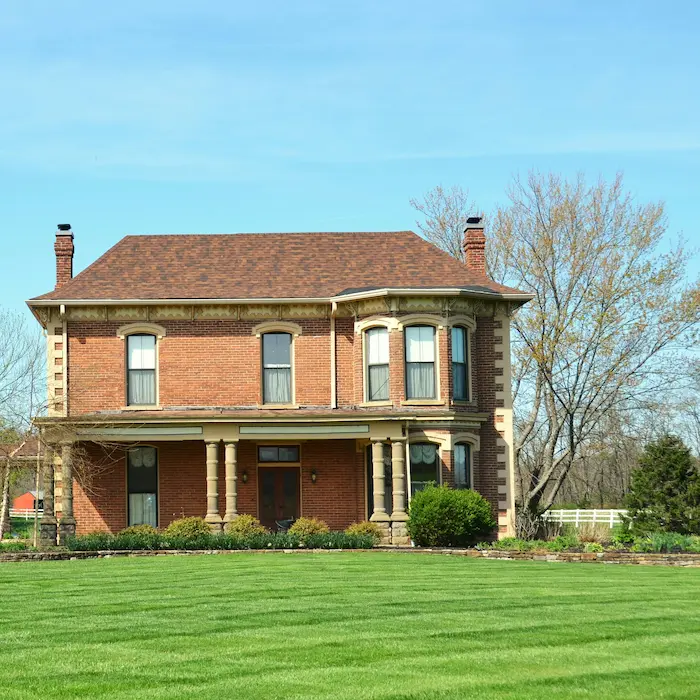
Scrub and low branches are cleared from around the house while keeping larger trees.
We clear blocks across the suburbs listed below. Homes backing onto bushland, such as those near the Trevallyn State Recreation Area, often ask about fuel reduction as well as general clearing.
Large single trees near structures are handled as a controlled removal.
View serviceLift and thin the trees you keep after clearing.
View serviceClearing often leaves stumps that need grinding before landscaping or building.
View serviceHelp when fallen trees block a rural driveway.
View serviceDevelopment projects may need a tree report before clearing is approved.
View serviceReplant screening or shade trees once clearing is complete.
View serviceSupport for a retained tree near the new building.
View serviceOngoing vegetation care for larger commercial lots.
View serviceClearing is priced on area, vegetation density, tree sizes, access and how material is handled. Mulching on site is often cheaper than carting everything away.
| Small overgrown yard | Lower range; mostly shrubs and small trees. |
|---|---|
| Suburban block with trees | Mid range; depends on tree count and disposal. |
| Larger block or building envelope | Upper range; more machinery and processing. |
| Stump grinding after clearing | Added per stump or as a lot. |
A site walk is usually needed for an accurate quote.
Request a Personalised QuoteIt depends on the land, the vegetation and the planning controls that apply. Clearing native vegetation is often regulated. Check with the City of Launceston and, where relevant, state agencies before booking. We will not start clearing that needs approval until you have it.
Yes. Selective clearing is common. We flag the trees you want to keep and fence their root zones so machinery stays clear. Tell us which trees matter to you during the site walk.
It can be mulched and spread, stockpiled for landscaping, removed off site, or a mix. Logs can be cut and stacked if you want firewood. The quote states which option is included.
A small yard may take a day. Larger blocks or sites with many trees take longer. Weather and ground conditions also play a part, particularly on clay soils after rain.
Stump grinding can be included. On building sites, stumps inside the footprint are usually removed; in landscaped areas they can be ground below ground level.
Yes. We can thin scrub, remove low branches and clear dead material close to buildings to reduce fuel. How much to clear depends on the site, so we follow any fire-management advice that applies to your property and keep healthy trees where possible.
Send photos, a site plan or a rough sketch showing what needs clearing and what should stay.
Call +61 483 709 394 to arrange a site walk and written quote.
Clearing a block changes it for years. Shade disappears, soil is exposed and wildlife loses cover. That is not a reason to avoid clearing, but it is a reason to clear only what the project needs.
We work from a marked plan rather than clearing until it looks open. Where the soil is sloping or the block drains toward a creek, we keep mulch cover on exposed ground and stage the work to reduce erosion.
We will not clear vegetation where approval is needed but not held, or drive machinery through the root zones of trees you have asked us to keep.
Many Launceston blocks sit on slopes, and heavier soils hold water through winter. Machinery that crosses wet clay leaves deep ruts and compacts the ground, which makes later landscaping harder.
Where ground is soft we may wait for a drier spell, use smaller machines or move material by hand to the chipper. On slopes, cleared material can be mulched and left on the surface to slow run-off until new planting or turf takes hold.
Clearing on Launceston Slopes and Clay