

Single Stump Grinding
One stump in a lawn, bed or under a fence line, ground below the surface so the area can be reused.
Stump grinding in Launceston turns an old stump into a pile of wood chip and soil, leaving a hole you can fill, turf or plant into. It is faster and far less disruptive than digging a stump out with an excavator.
We grind stumps left from our own removals and from trees taken down years ago. Narrow gates, steep yards and stumps next to fences or paving are common, and we bring a machine sized to the access.
Call +61 483 709 394 or send a photo of the stump with something for scale, such as a shoe or a tape measure.
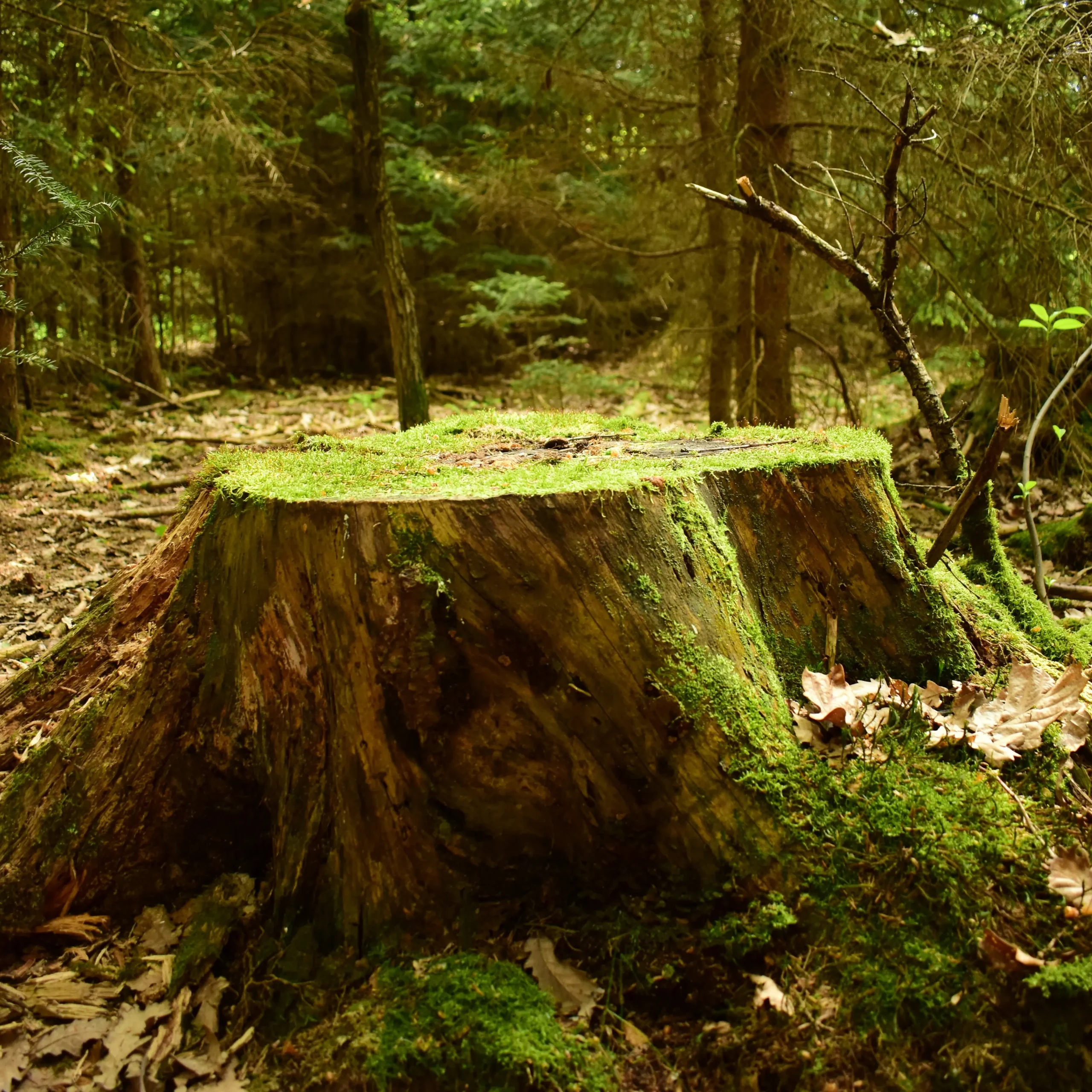
One stump in a lawn, bed or under a fence line, ground below the surface so the area can be reused.
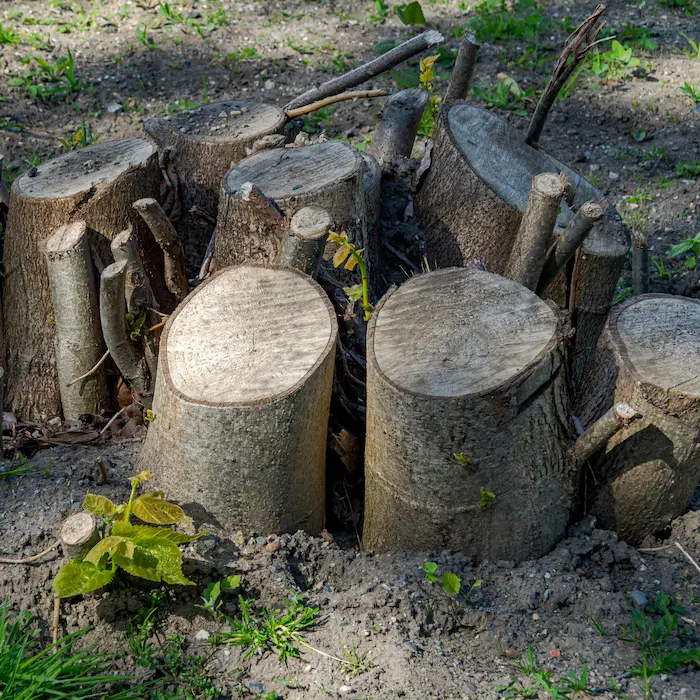
Old hedgerows, removed fence-line trees or a cluster of stumps from a clearing job, done in one visit.
Grouping stumps keeps travel and set-up to a single charge.

Roots that lift lawns or trip people are followed out from the stump and ground down, within the limits of nearby services and structures.
Enough depth to lay topsoil and turf over the spot. Suits lawns where nothing else will be planted.
Deeper grinding so shrubs and perennials can be planted in the same area once the grindings are replaced with soil.
Used before paving, a slab or planting a new tree near the old position. Deeper grinding takes longer and is limited by underground services.
Grinding produces a surprising volume of chip and soil. Decide in advance how it should be handled.
| Option | Characteristics | Typical applications | Considerations |
|---|---|---|---|
| Left in the hole | Grindings raked back into the hole. | Quick, low-cost finish for out-of-the-way spots. | Settles as the wood breaks down and robs nitrogen from new plants. |
| Spread as mulch | Grindings spread on nearby beds. | Gardens that can use coarse mulch. | Keep it away from house walls where timber pests are a worry. |
| Removed and backfilled | Grindings taken away, hole filled with soil. | Lawns, new beds and paving bases. | Soil supply and extra labour add to the quote. |
| Removed, hole left open | Grindings taken away only. | Owners doing their own landscaping afterwards. | Leave the hole fenced or marked until it is filled. |
Grinding is quick once the machine is in place. Most of the planning goes into getting it there and avoiding what is underground.
Measure the narrowest point between the street and the stump. It decides which grinder we can bring.
Water, gas, sewer, irrigation and cables can run near stumps. We ask about known services and locate them before grinding near them.
Stumps against fences, walls or paving can be ground close but not under them without risking damage.
Some trees sucker from roots after the stump is ground. We tell you if your species is one of them.
We check stump size, root spread, access width and what you want to do with the area.
Known service lines are marked and we look for signs of others.
Screens or boards protect windows, cars and paths from flying chips.
The cutter wheel works across the stump and into the main roots to the agreed depth.
Grindings are left, spread or removed and the area is raked level as agreed.
The right grinder depends on stump size and access. Bringing the biggest machine is not always the best answer.
Narrow machines that pass through standard side gates and across lawns with less marking.
More cutting power for big eucalypt and oak stumps where access allows.
Portable screens stop debris reaching windows, cars and passers-by.
Detection tools help confirm where cables and pipes run before grinding near them.

A stump left from a removal years ago is ground and backfilled ready for turf.
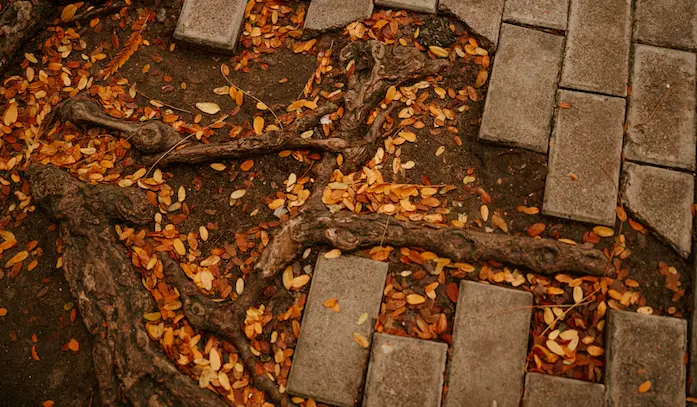
Several stumps are ground deep so a paving base can be laid.

A row of stumps is ground in one visit and the line prepared for new planting.
We grind stumps across the suburbs listed below. Steep yards and narrow side paths are the main limits, so a quick measurement of gate width speeds up the quote.
Tight yards on the eastern rise above the city, stumps ground below the surface.
View detailsSteep streets beside the Cataract Gorge reserve, stumps ground below the surface.
View detailsSteep, narrow driveways on the western hills, stumps ground below the surface.
View detailsGenerous gardens with trees grown over decades, stumps ground below the surface.
View detailsBoundary rows planted for shelter in the south-west, stumps ground below the surface.
View detailsBook removal and grinding together so the job is finished in one booking.
View servicePrune the trees you are keeping while the grinder is here.
View serviceStumps cleaned up once storm damage is cleared.
View serviceAdvice on root zones before grinding near a valued tree.
View serviceClearing a block usually leaves several stumps that need grinding before building or landscaping.
View serviceOnce the stump is gone, plant a replacement tree in a better position.
View serviceSupport for nearby trees that lost a neighbour.
View serviceStump removal for car parks and shared grounds.
View serviceStump grinding is priced on stump diameter, root spread, depth, access and what happens to the grindings. A single small stump in an open lawn is a short visit; several large stumps behind a narrow gate take longer.
| Small stump, easy access | Lower range; quick set-up and grind. |
|---|---|
| Large stump or surface roots | Mid to upper range; more cutting time. |
| Several stumps in one visit | Shared set-up usually lowers the cost per stump. |
| Backfill and turf preparation | Priced as an add-on to cover soil and labour. |
We quote from photos where we can and confirm on the day.
Request a Personalised QuoteDepth is agreed before we start. Turf only needs a shallow grind, garden beds a bit deeper, and paving or replanting nearby deeper again. Underground services and rocks can limit depth. We confirm the depth in the quote so you know what to expect.
The roots left in the ground slowly break down over several years. Most species will not regrow once the stump is ground, but some suckering trees can send up shoots from roots. We tell you if your tree is likely to do that and how to manage it.
In most cases yes. Compact grinders fit through standard side gates. Tell us the narrowest gap between the street and the stump so we bring the right machine. Steps and very steep slopes can need extra planning.
For most suburban jobs, yes. Grinding is quicker and causes far less disturbance to lawns, paths and nearby plants. Excavating a stump leaves a large hole and may damage services or structures nearby.
You can, but it is usually better to plant slightly to one side, away from the old root mass. If you want the same position, ask for a deeper grind and replace the grindings with good soil.
Send a photo of each stump, an idea of its width and the narrowest access point. We will reply with a price and depth recommendation.
Or call +61 483 709 394 and we will talk it through.
A stump left in a lawn is a mowing obstacle and a trip hazard. As it decays it can attract fungi and wood-boring insects, and some species keep sending up suckers that turn into a thicket.
Grinding solves these in one visit. The cutter wheel chips the stump and the main root flare into small pieces, which makes the space usable again within days rather than the years it takes a stump to rot on its own.
We will not grind blindly near gas or water lines, or under a fence footing or slab. Where something important sits close to the stump, we grind as far as is safe and explain what has been left.