
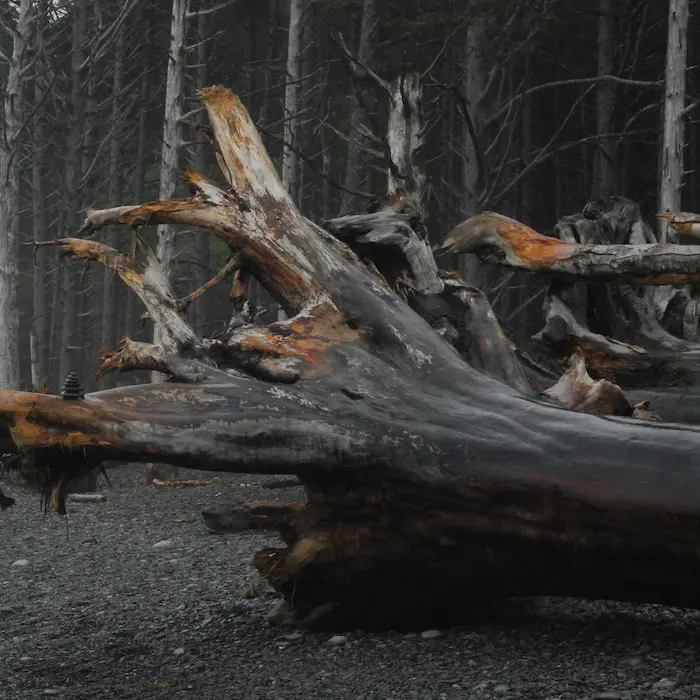
Deadwood Removal
Dead branches fall without warning, especially in wind. Removing them is low-impact for the tree and one of the most effective safety steps.
Good tree pruning in Launceston fixes a specific problem. Branches scraping the roof, deadwood over a path, a canopy shading the vegetable patch or limbs reaching into the neighbour's yard can usually be solved without cutting the tree back to stumps.
We prune trees of all sizes, from young street-side plantings that need early shaping to large mature eucalypts and exotics. Every cut is chosen for a reason, and we take no more live growth than the job needs.
Call +61 483 709 394 or send photos and tell us what is bothering you about the tree.
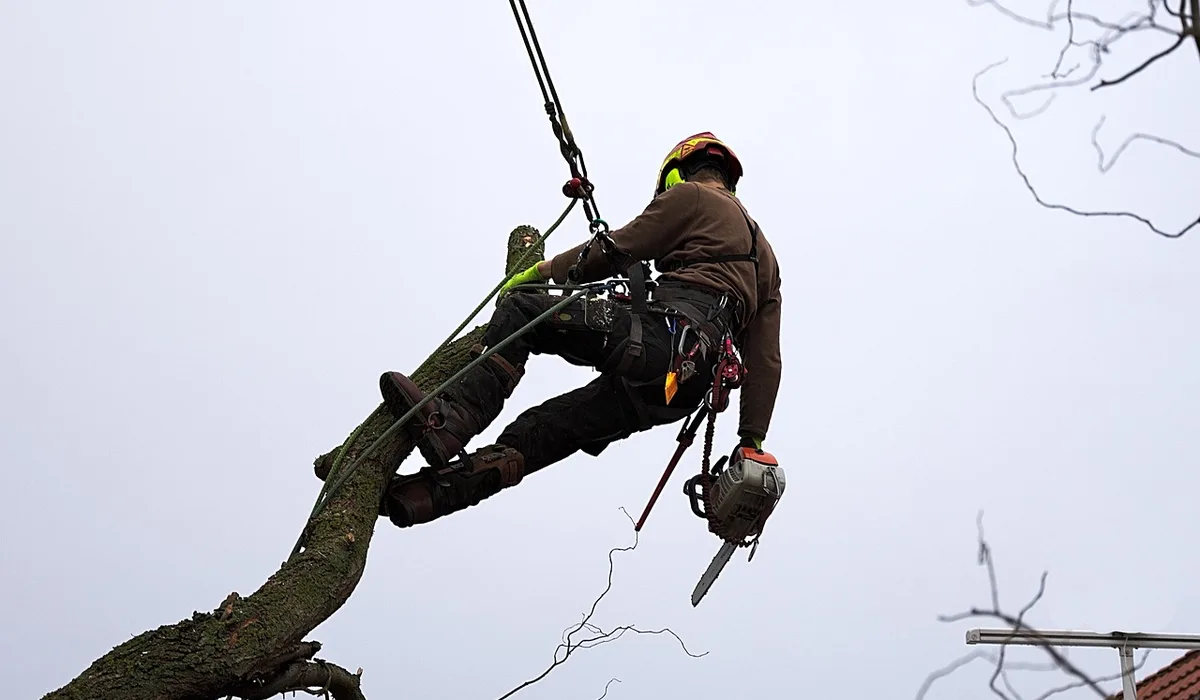
Dead branches fall without warning, especially in wind. Removing them is low-impact for the tree and one of the most effective safety steps.

Lifting or shortening branches away from roofs, gutters, driveways, paths and sightlines.
We aim for clearance that lasts a reasonable time without leaving the tree lopsided.
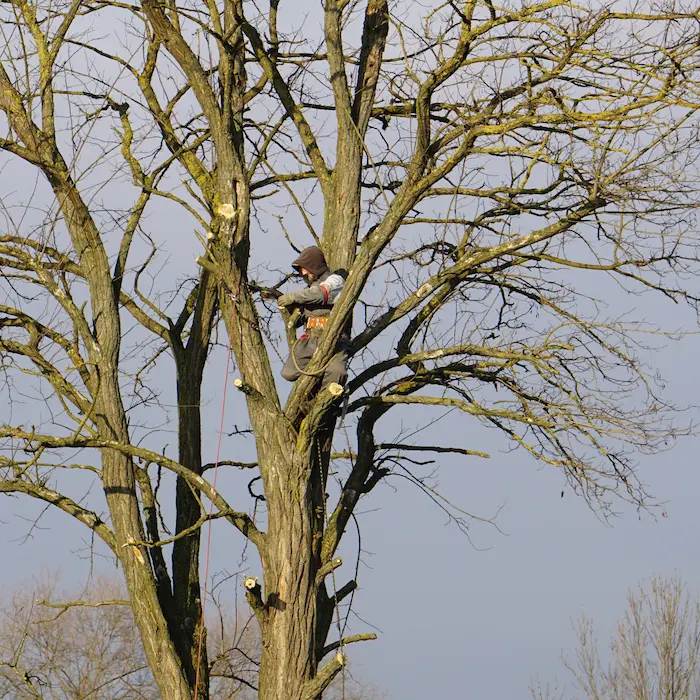
Shortening the longest limbs back to suitable side branches to lower height or spread. It is different from topping, which leaves stubs that rot.
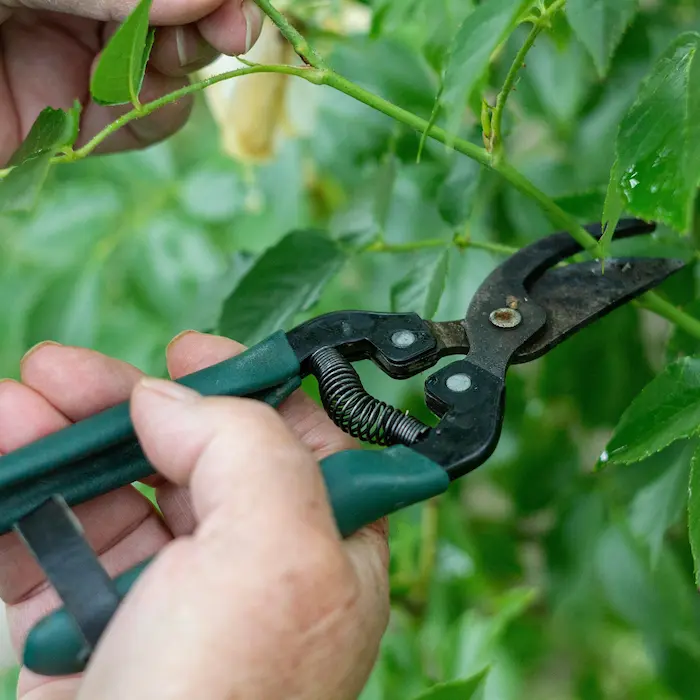
Shaping young trees early so they develop one strong leader and well-spaced branches, which saves bigger cuts later.
Removing deadwood, broken hangers and weakly attached limbs over areas people use.
Keeping branches off structures and above driveways and paths. The height of clearance is agreed on site.
Thinning and selective lifting to let light into a garden or open a view without removing the tree.
We discuss how much is realistic before starting, because over-thinning creates its own problems.
Gradual work over several visits to correct a poor branch structure on a tree you want to keep for decades.
The type of cut decides how well a tree recovers. Here is how the main cuts compare.
| Option | Characteristics | Typical applications | Considerations |
|---|---|---|---|
| Branch collar cut | Removes a branch back to its origin. | Deadwood and unwanted limbs. | Must sit just outside the collar; flush cuts damage the trunk's defences. |
| Reduction cut | Shortens a limb to a lateral branch. | Lowering height or spread. | The remaining lateral should be large enough to take over growth. |
| Thinning cut | Removes small branches through the canopy. | Reducing density and wind load. | Taking too much from the interior encourages long, weak ends. |
| Heading cut | Cuts between buds or branches. | Hedges and some fruit trees only. | On large shade trees it causes clusters of weakly attached shoots. |
Pruning removes leaves the tree needs for energy, so each decision has a cost to the tree as well as a benefit.
Many deciduous trees are easiest to read and prune when dormant. Some species bleed sap or are prone to disease if pruned at the wrong time.
A stressed tree may not cope with heavy pruning. We may recommend a lighter first round and a return visit.
As a working rule we avoid removing more live canopy than the tree can comfortably replace in a season.
Branches over a fence affect your neighbour too. Talking to them first avoids disputes and lets both sides agree on the result.
We walk around the tree with you and confirm exactly what problem the pruning should solve.
We point out the limbs we intend to remove or shorten so there are no surprises.
Ground crew set up exclusion zones and protect plants and surfaces under the canopy.
The climber or platform operator works through the canopy, lowering larger pieces on ropes.
We stand back with you to check the shape, then chip and clean up.
Equipment matters, but technique matters more. These are the habits that separate pruning from hacking.
Spikes wound the trunk. We climb trees that are staying on ropes and harness only.
Handsaws and pole saws give clean cuts on smaller branches where a chainsaw would tear.
Heavier limbs are undercut, cut and then trimmed back to the collar so the bark does not strip.
Larger pieces are tied off and lowered so they do not crash through the canopy below.

Limbs rubbing a roof are shortened to suitable laterals, leaving a clearance gap and a balanced crown.

A mature tree has dead limbs over a play area. Deadwood is removed and the tree inspected for other defects.
A five-year-old shade tree with two competing leaders is shaped to a single strong leader.
We prune trees in gardens, rentals and commercial grounds across the suburbs below. Hillside streets often mean climbing rather than platform work, and we price for that.
Period homes with big trees close to the roof, deadwood and clearance pruning.
View detailsHillside blocks on the gorge's southern side, deadwood and clearance pruning.
View detailsRising ground with established and newer homes, deadwood and clearance pruning.
View detailsIf pruning cannot make the tree safe, removal may be the honest answer.
View serviceGrind any stumps left from earlier removals in the same visit.
View serviceStorm-broken limbs made safe before a full prune.
View serviceA written report if pruning needs approval first.
View serviceCut back overgrown corners while we are pruning.
View servicePlant young trees that can be shaped from the start.
View servicePruning reduces end weight; cabling can add support where a fork is weak.
View serviceRegular pruning cycles for strata, retail and business grounds.
View servicePruning is priced by the work involved, not by the number of branches. Deadwood removal on a small tree may take an hour; a careful reduction on a large tree can take most of a day.
| Light deadwood or clearance | Lower range; often done from the ground or a short climb. |
|---|---|
| Thinning or lifting a medium tree | Mid range; depends on how much of the crown is worked. |
| Reduction on a large tree | Upper range; more time aloft and more rigging. |
| Multiple trees in one visit | Usually better value than separate visits. |
We list the agreed work in the quote so you can compare it against other quotes on equal terms.
Request a Personalised QuoteIt depends on the species and the goal. Many deciduous trees are easiest to prune in late autumn and winter when they are dormant and the structure is visible. Deadwood and hazardous limbs can be removed at any time. Some species respond badly to pruning in certain seasons, so we advise on timing for your tree.
Less than many people expect. Removing too much live canopy in one go starves the tree and often triggers a mass of weak shoots. We usually keep pruning modest and, where a large change is needed, spread it over more than one visit.
Pruning removes branches at natural points so the tree can seal the wound. Lopping cuts limbs off at random points, leaving stubs that rot and sprout weak regrowth. We do not lop healthy trees.
Overhanging branches raise legal and neighbourly questions. It is best to speak with your neighbour first. Where both parties agree, we can prune the branches in a way that keeps the tree healthy and balanced.
Removing deadwood and reducing heavy end weight can lower the chance of limb failure. Pruning cannot guarantee a tree will not fail in extreme wind, but it addresses the defects that commonly lead to failure.
Tell us which tree, what it is doing and what you want it to stop doing. Photos from a few angles help us prepare.
Call +61 483 709 394 or use the quote form and we will arrange a time to look.
Trees do not heal wounds the way skin does. They wall off damaged wood and grow new tissue over the top. A cut made in the right place, just outside the branch collar, lets that process work. A cut that is too flush, or a stub left too long, slows it and gives decay fungi a way in.
That is why we follow the practices set out in Australian Standard AS 4373 for amenity trees. It defines the cut types, explains what is and is not acceptable, and gives clients a fair basis for comparing quotes.
The end result should look like the same tree, just better suited to the space. If a neighbour cannot tell it has been pruned until they look for the cuts, the job has been done well.
Launceston gardens hold a broad mix: deciduous exotics like oaks, elms, maples, birches and ornamental pears, native eucalypts and wattles, and conifers planted decades ago as windbreaks. Each responds differently.
Eucalypts can shed limbs during hot, still weather and respond to heavy cuts with dense epicormic shoots, so we keep cuts small. Many deciduous trees are best read in winter when the leaves are down. Conifers generally do not regrow from bare wood, so reductions must stay within the green growth.
Pruning the Trees Common in Launceston Gardens